39 root cause analysis worksheet
en.wikipedia.org › wiki › Reliability_engineeringReliability engineering - Wikipedia In this sense language and proper grammar (part of qualitative analysis) plays an important role in reliability engineering, just like it does in safety engineering or in-general within systems engineering. Correct use of language can also be key to identifying or reducing the risks of human error, which are often the root cause of many ... › pdfs › ROOT_CAUSE_WebinarRoot Cause Analysis Tools and Techniques - Quality Digest • The “escape” root cause – the cause that resulted in the problem not being “caught” or detected. • The “systemic” root cause – the broader cause responsible for the local cause to be present in the first place. • This cause is often procedural in nature. Long term corrective action. Root Cause Analysis
› case_studies › root-causeRoot Cause Analysis – Challenger Explosion - ThinkReliability Problem” worksheet. For this issue, the problem outline looks like this: Step 2: Analyze the Problem. Once we outline the problem, using evidence collected and validated by the Rogers Commission, we’ll break down the incident into its cause-and-effect relationships using a visual form of root cause analysis, the Cause Map diagram.

Root cause analysis worksheet
› sample-root-cause-analysis50+ SAMPLE Root Cause Analysis in PDF | MS Word Coming up with a comprehensive root cause analysis can help you a lot when it comes to answering the questions of your stakeholders with regards the given matter. Don’ts. 1. Don’t Use Any Unverified Information When Developing the Root Cause Analysis. Your entire root cause analysis should be fact-based. limblecmms.com › blog › root-cause-analysis-rcaRoot Cause Analysis (RCA): Steps, Tools, And Examples Apr 14, 2021 · When to perform a root cause analysis. When you’re doing an RCA to determine the source of a fault, you’ll usually find 3 basic types of problems: physical causes; human causes; organizational causes; You can also do a root cause analysis if you want to drill down and find out exactly why a process or procedure is producing better-than ... › tools-templates › cause-effectDetermine the Root Cause: 5 Whys - iSixSigma Help identify the root cause of a problem. Determine the relationship between different root causes of a problem. One of the simplest tools; easy to complete without statistical analysis. When Is 5 Whys Most Useful? When problems involve human factors or interactions. In day-to-day business life; can be used within or without a Six Sigma project.
Root cause analysis worksheet. › pages › articleRoot Cause Analysis - Problem Solving From MindTools.com Root Cause Analysis is a useful process for understanding and solving a problem. Figure out what negative events are occurring. Then, look at the complex systems around those problems, and identify key points of failure. Finally, determine solutions to address those key points, or root causes. You can use many tools to support your RCA process. › tools-templates › cause-effectDetermine the Root Cause: 5 Whys - iSixSigma Help identify the root cause of a problem. Determine the relationship between different root causes of a problem. One of the simplest tools; easy to complete without statistical analysis. When Is 5 Whys Most Useful? When problems involve human factors or interactions. In day-to-day business life; can be used within or without a Six Sigma project. limblecmms.com › blog › root-cause-analysis-rcaRoot Cause Analysis (RCA): Steps, Tools, And Examples Apr 14, 2021 · When to perform a root cause analysis. When you’re doing an RCA to determine the source of a fault, you’ll usually find 3 basic types of problems: physical causes; human causes; organizational causes; You can also do a root cause analysis if you want to drill down and find out exactly why a process or procedure is producing better-than ... › sample-root-cause-analysis50+ SAMPLE Root Cause Analysis in PDF | MS Word Coming up with a comprehensive root cause analysis can help you a lot when it comes to answering the questions of your stakeholders with regards the given matter. Don’ts. 1. Don’t Use Any Unverified Information When Developing the Root Cause Analysis. Your entire root cause analysis should be fact-based.
What Is Root Cause Analysis? | Lucidchart Blog

Root Cause Analysis Template – Fishbone Diagrams

29 Free Root Cause Analysis Templates for Excel, Word and PDF ...
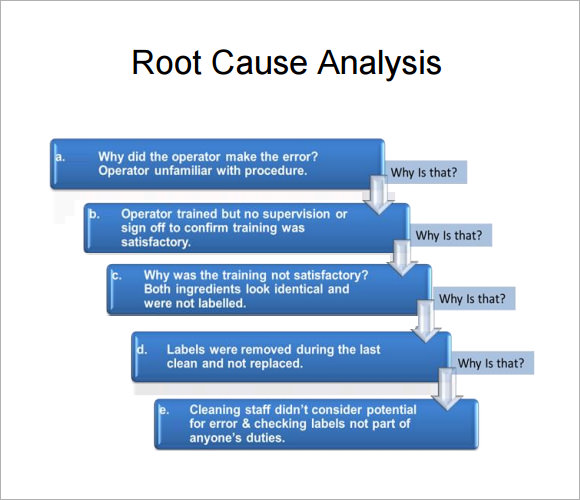
FREE 16+ Sample Useful Root Cause Analysis Templates in ...

5 Why Infographics PowerPoint Template

The glamorous 24+ Root Cause Analysis Templates (Word, Excel ...

40+ Effective Root Cause Analysis Templates, Forms & Examples
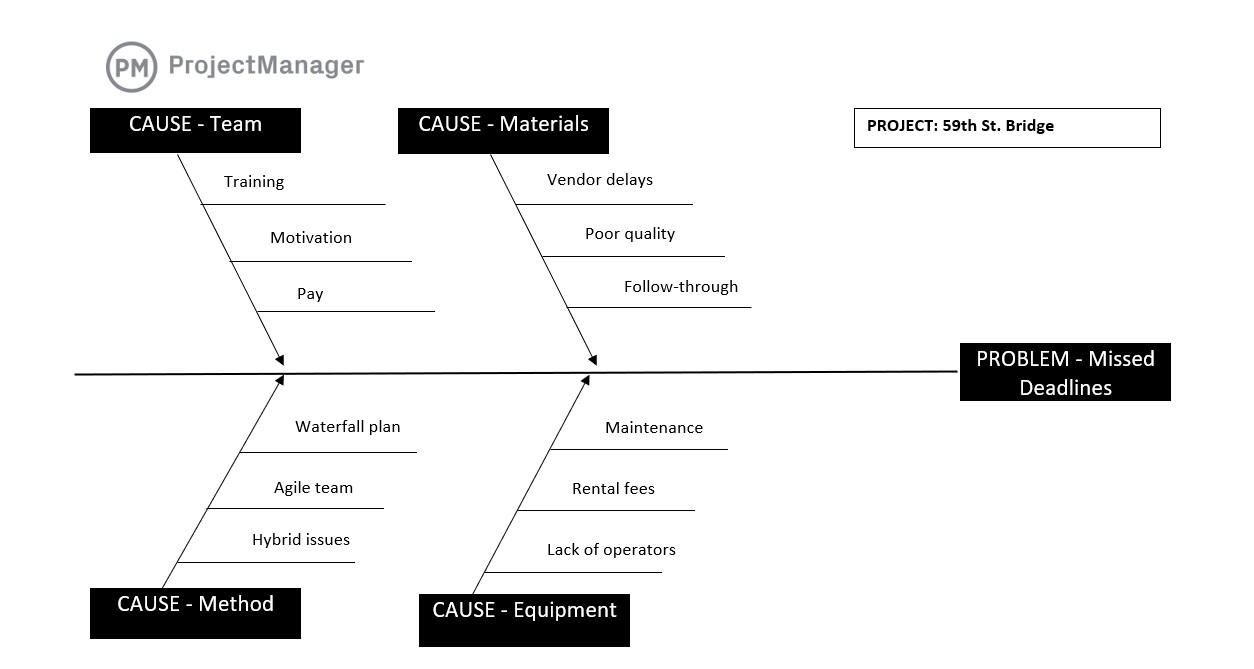
Root Cause Analysis Template for Word (Free Fishbone Diagram)

30 Simple Root Cause Analysis Templates (+Examples)
ISMP Community Pharmacy Template for Root Cause Analysis ...
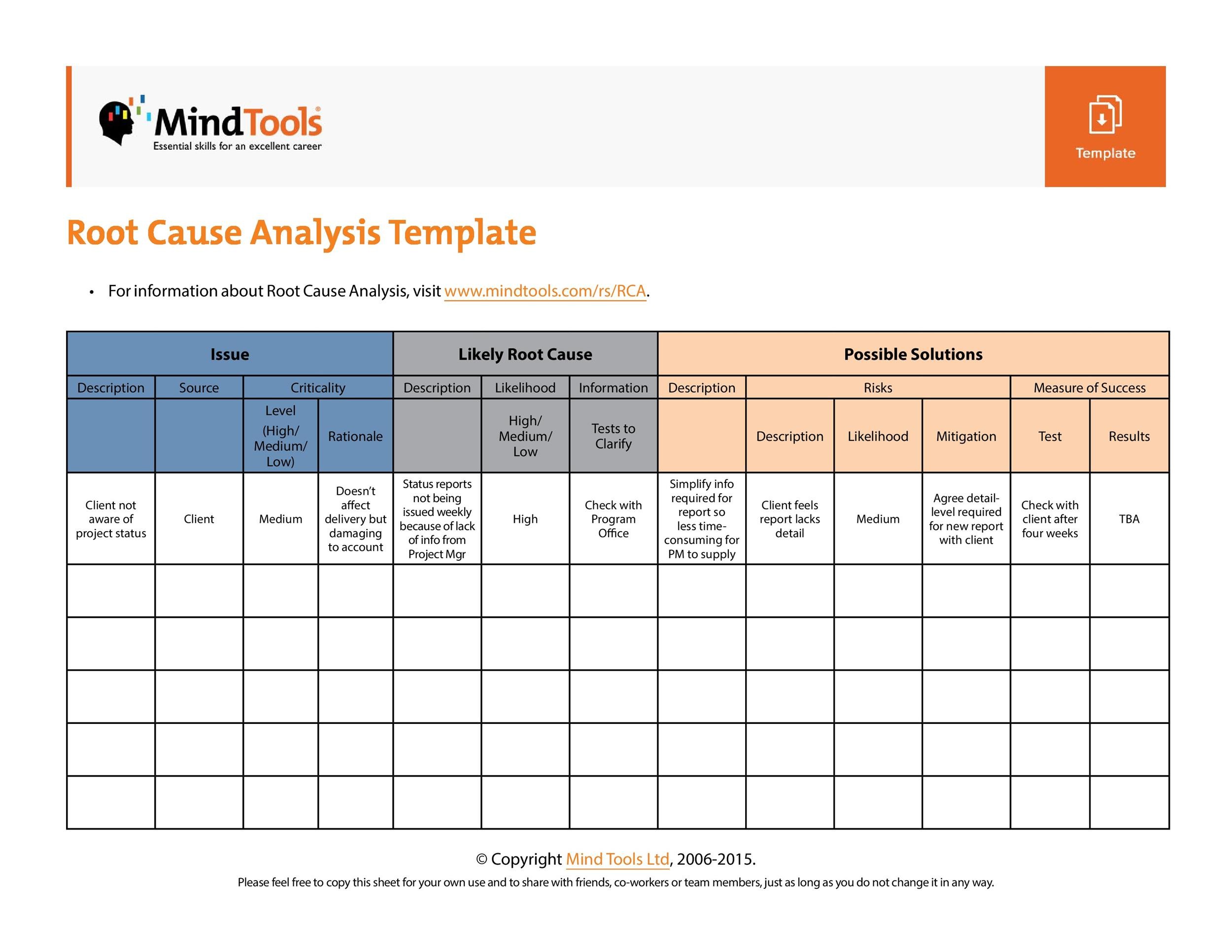
40+ Effective Root Cause Analysis Templates, Forms & Examples

50+ SAMPLE Root Cause Analysis in PDF | MS Word

30 Simple Root Cause Analysis Templates (+Examples)

Fillable Online health state mn Fall Root Cause Analysis ...
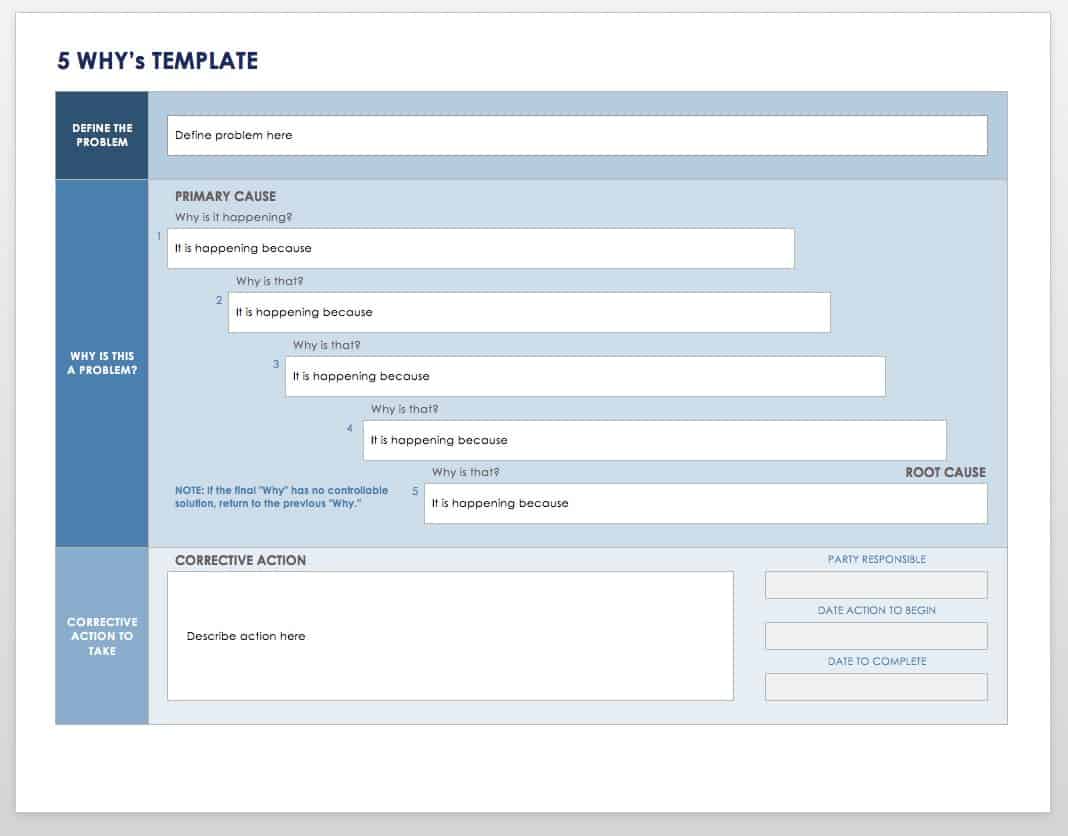
Root Cause Analysis Template Collection | Smartsheet
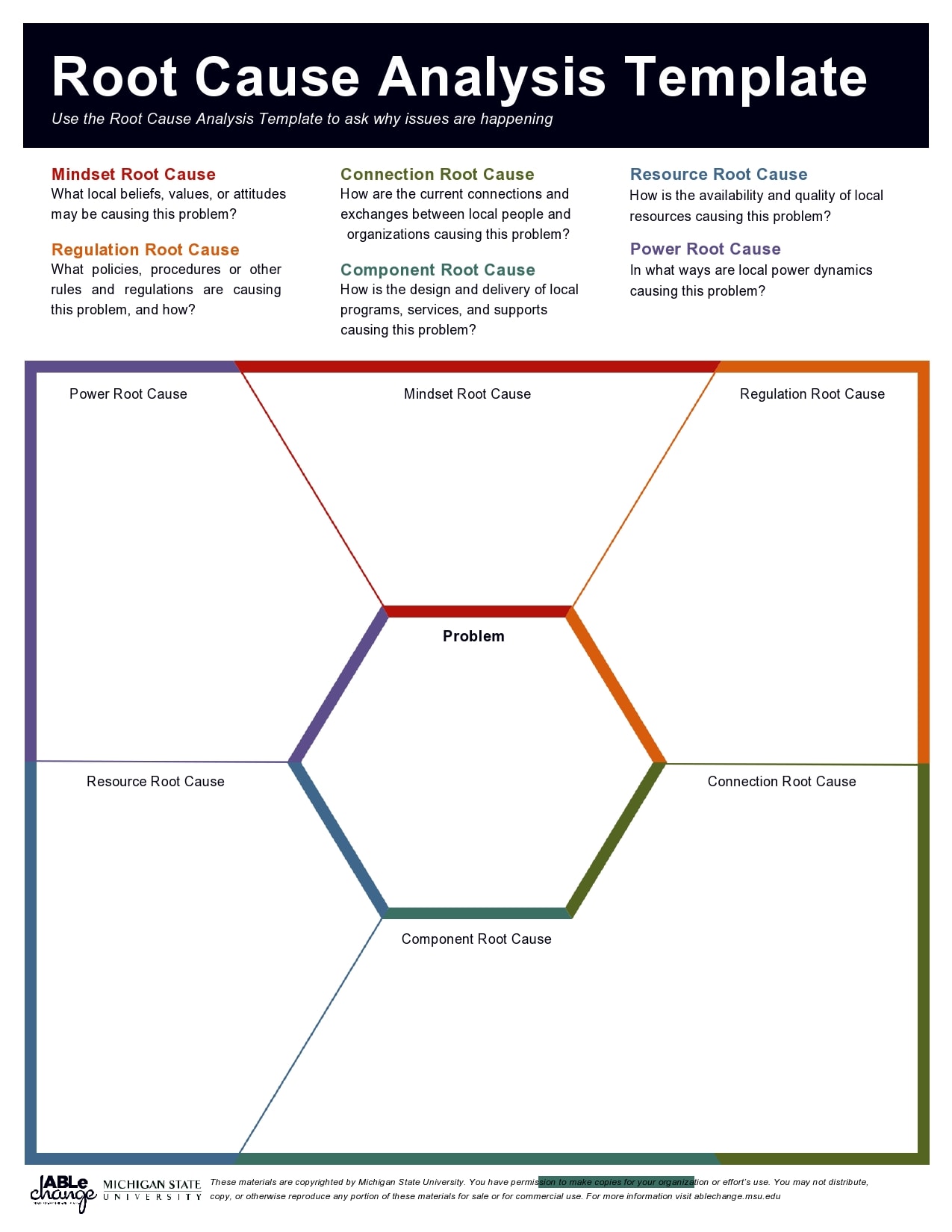
30 Simple Root Cause Analysis Templates (+Examples)
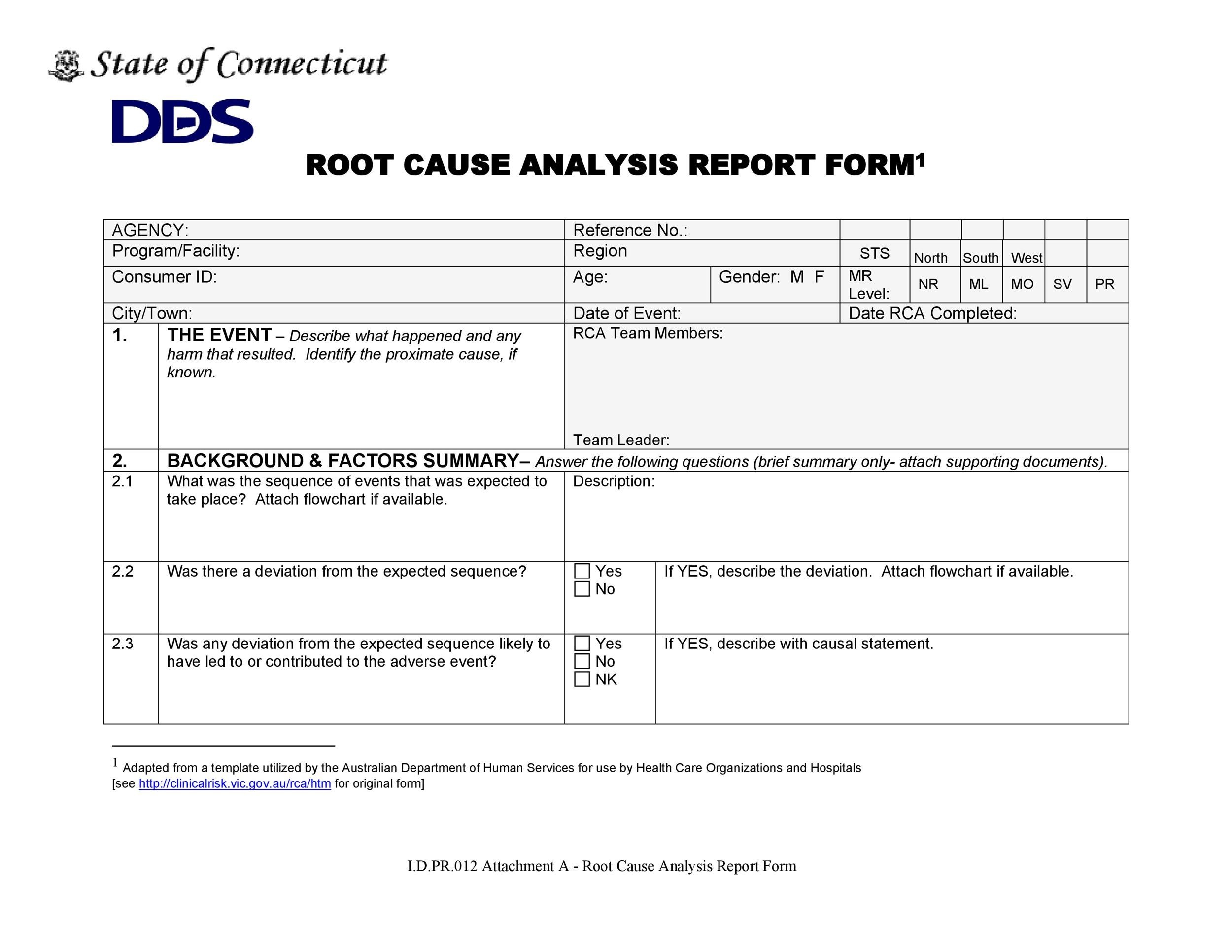
40+ Effective Root Cause Analysis Templates, Forms & Examples
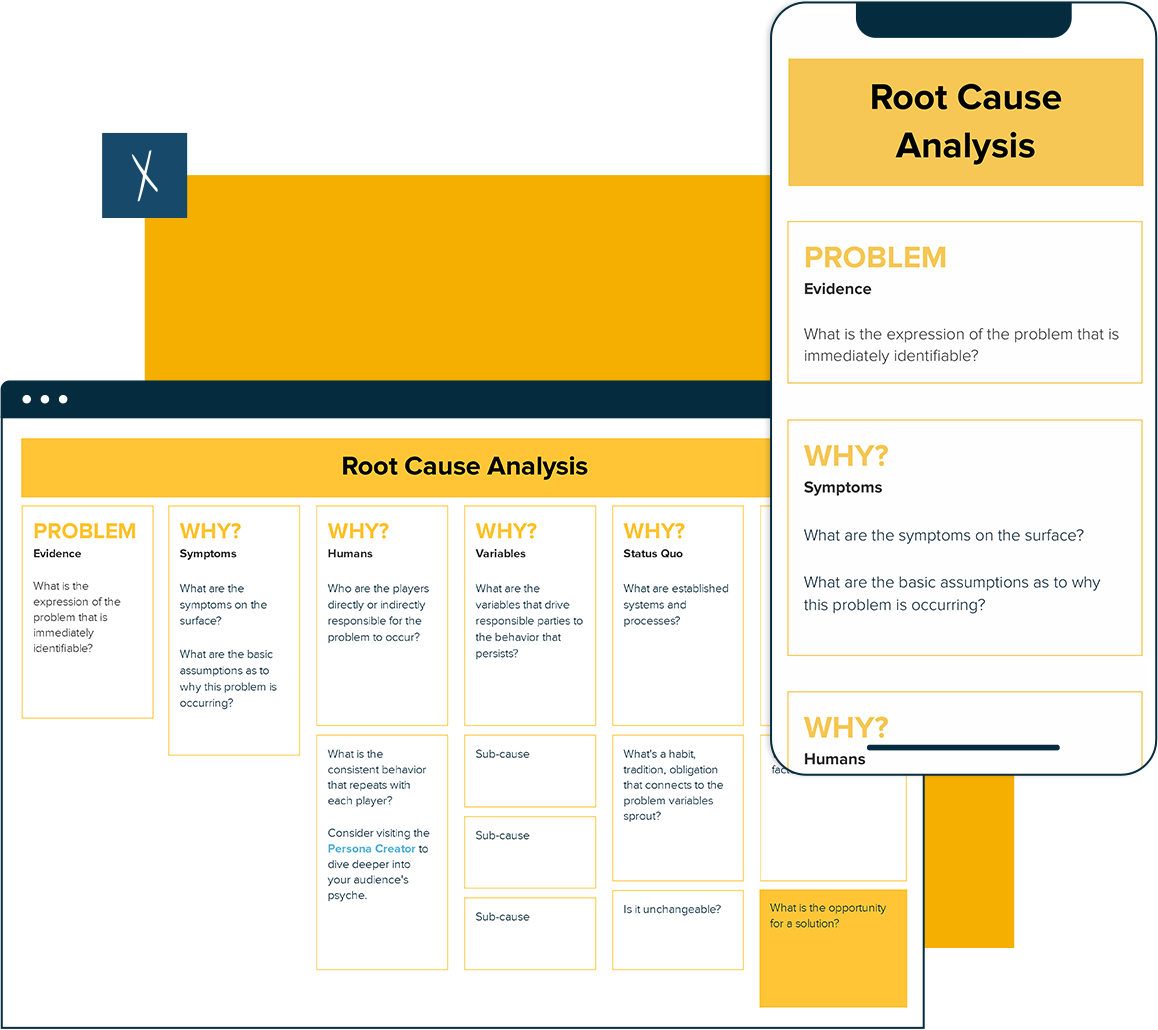
Root Cause Analysis Template and Examples | Xtensio
Root Cause Analysis Worksheet

Root Cause Analysis Tools Templates | Creately

Root Cause Analysis template

Causal Factor Worksheet - TapRooT® Root Cause Analysis

Free Root Cause Analysis Templates, Tools & PDF Report ...
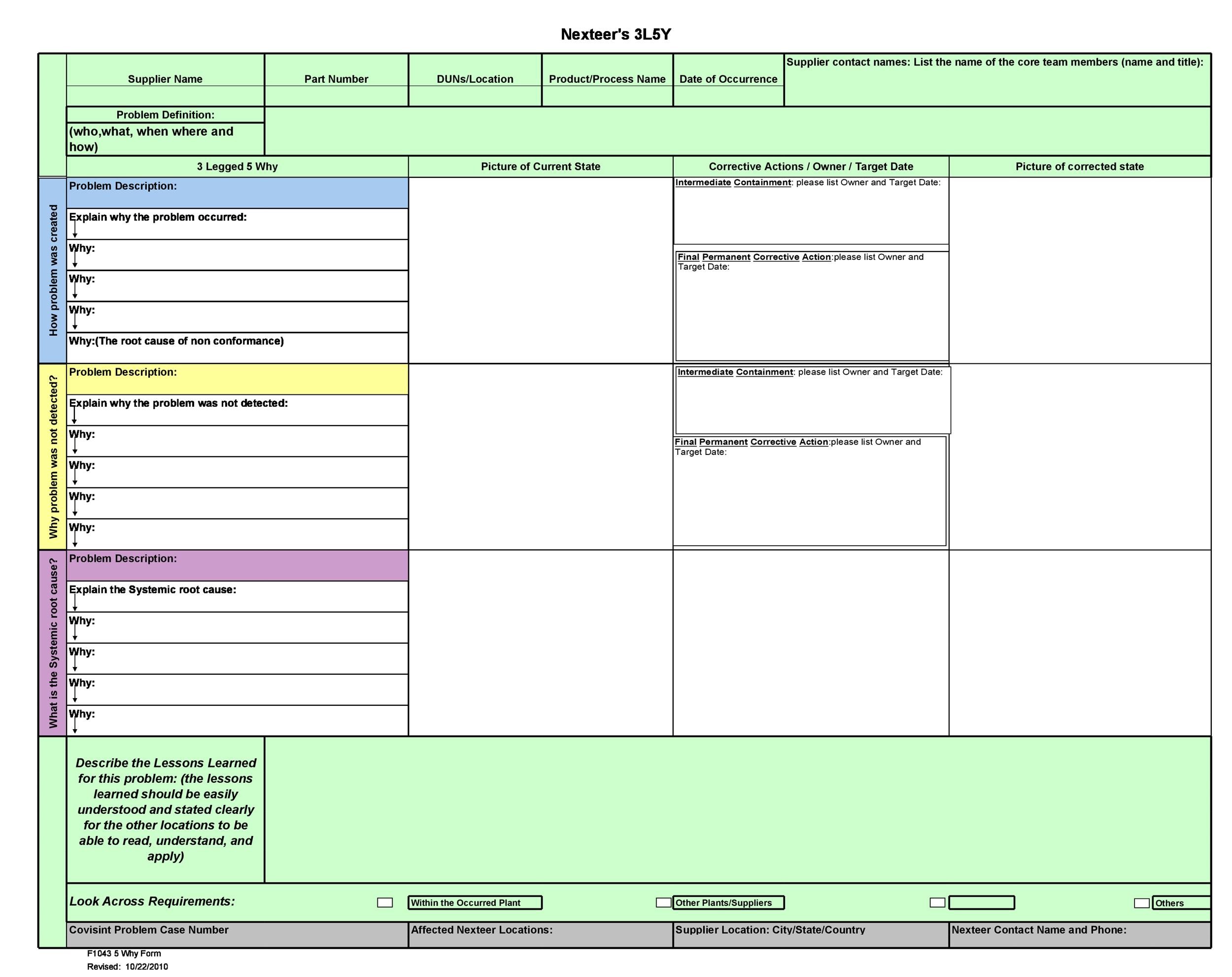
40+ Effective Root Cause Analysis Templates, Forms & Examples

Root cause analysis template in Word and Pdf formats

Root Cause Analysis Template 2 - PDFSimpli
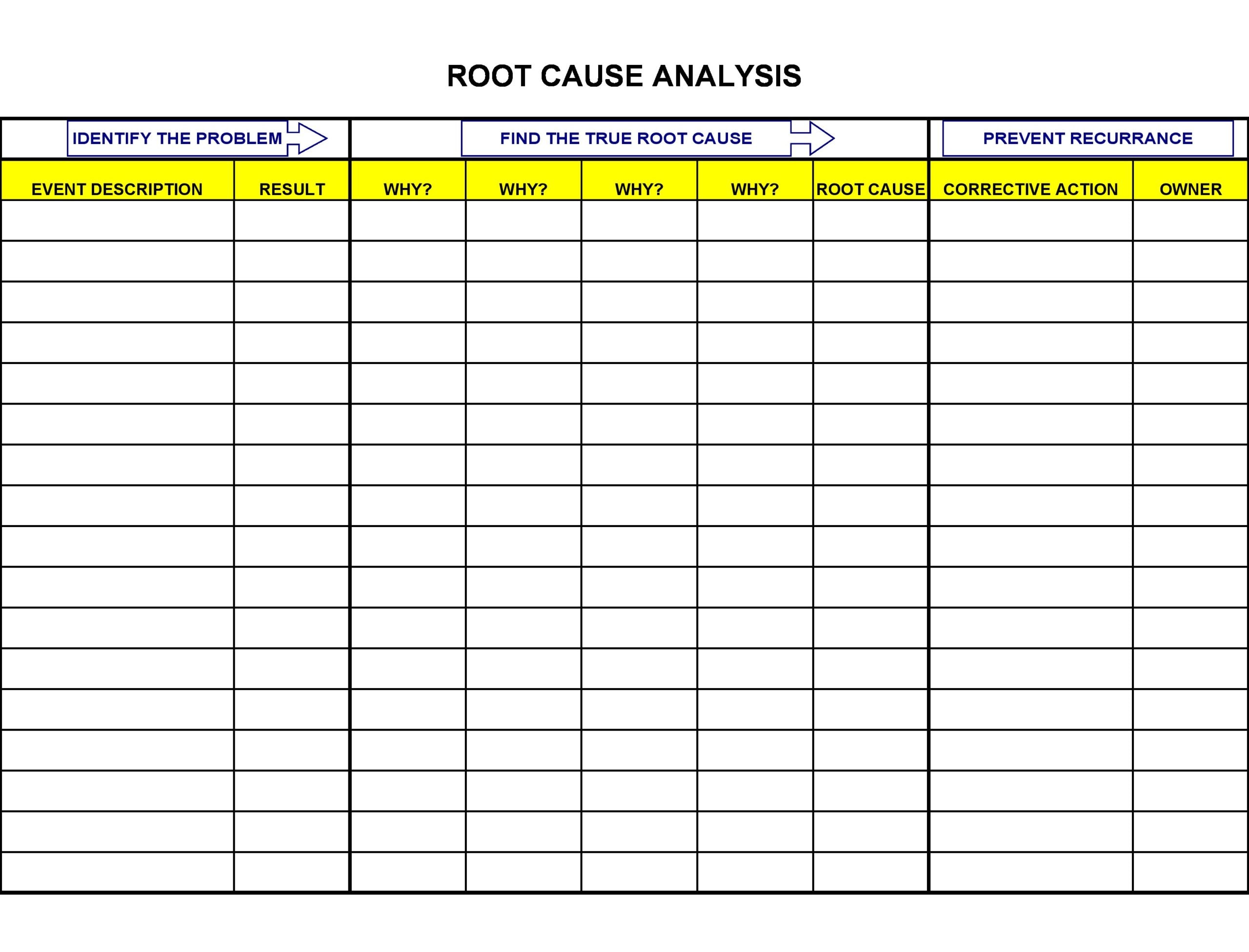
30 Simple Root Cause Analysis Templates (+Examples)

How to Perform a Root Cause Analysis (Free Template ...
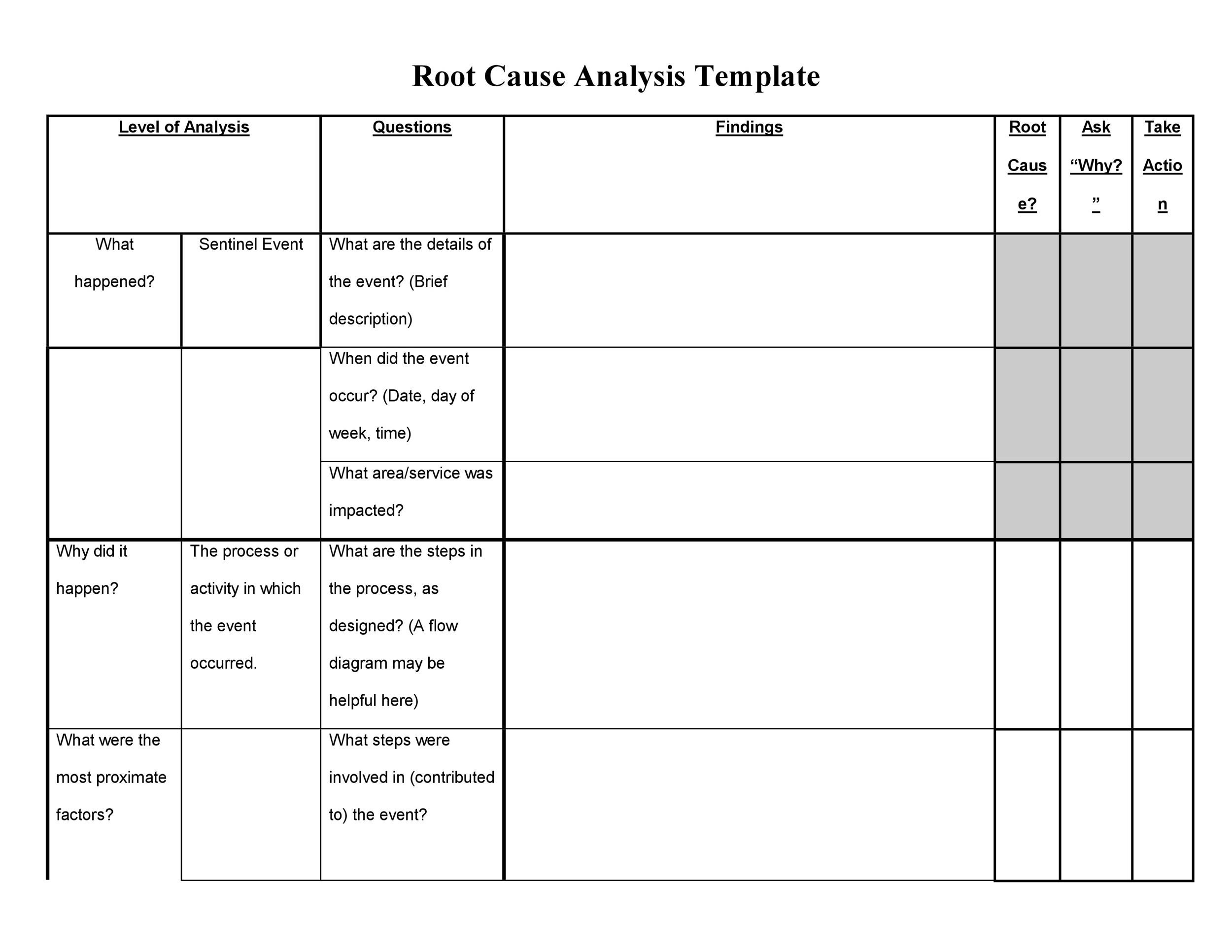
40+ Effective Root Cause Analysis Templates, Forms & Examples

Root Cause Analysis Template – ISO Templates and Training

40+ Effective Root Cause Analysis Templates, Forms & Examples
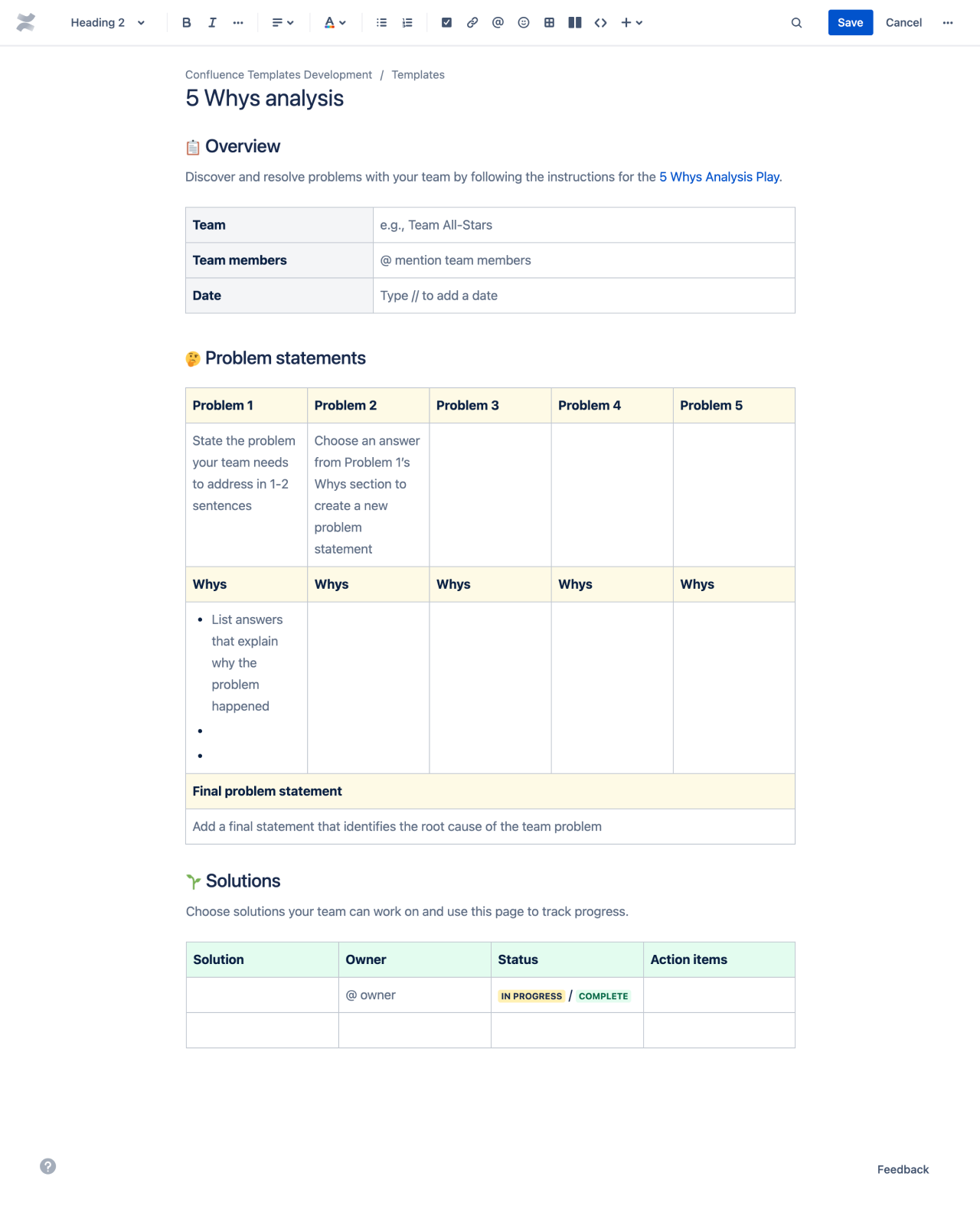
5 whys analysis template | Atlassian

Expert Toolkit Root Cause Analysis Template

Downloadable Root Cause Analysis Template - 1st Reporting
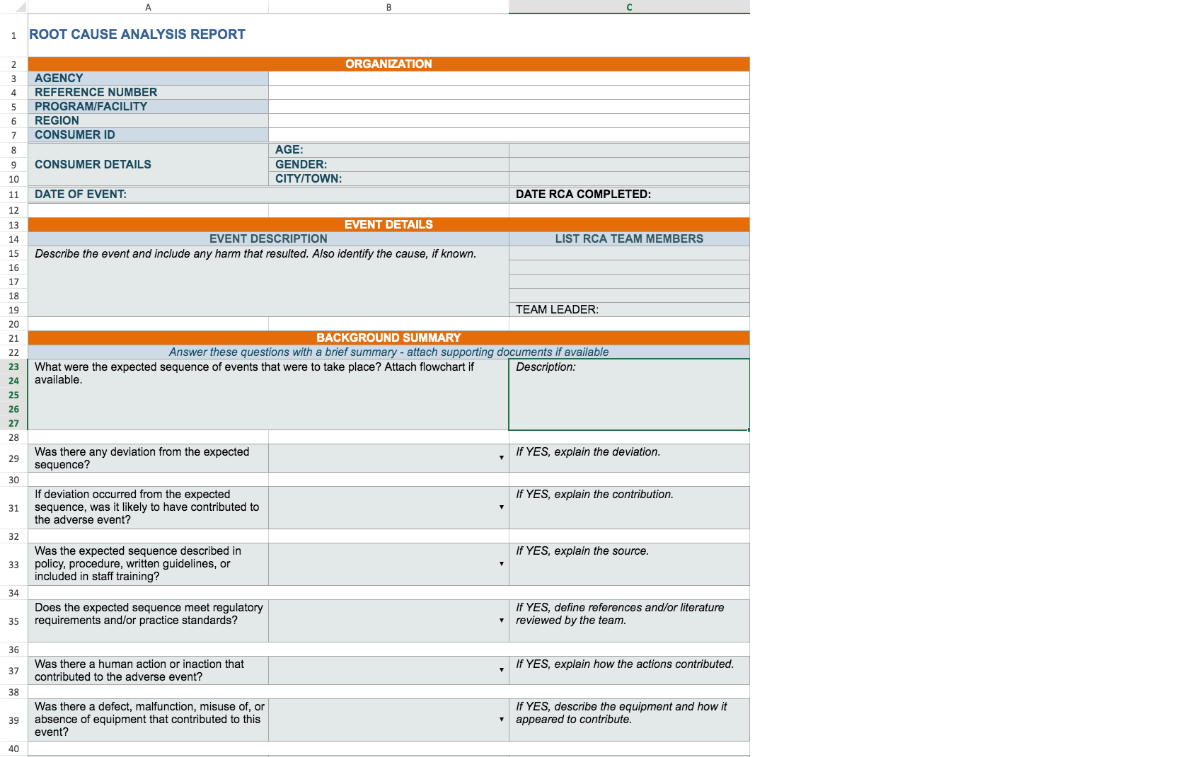
Root Cause Analysis Template | Visual Paradigm Tabular
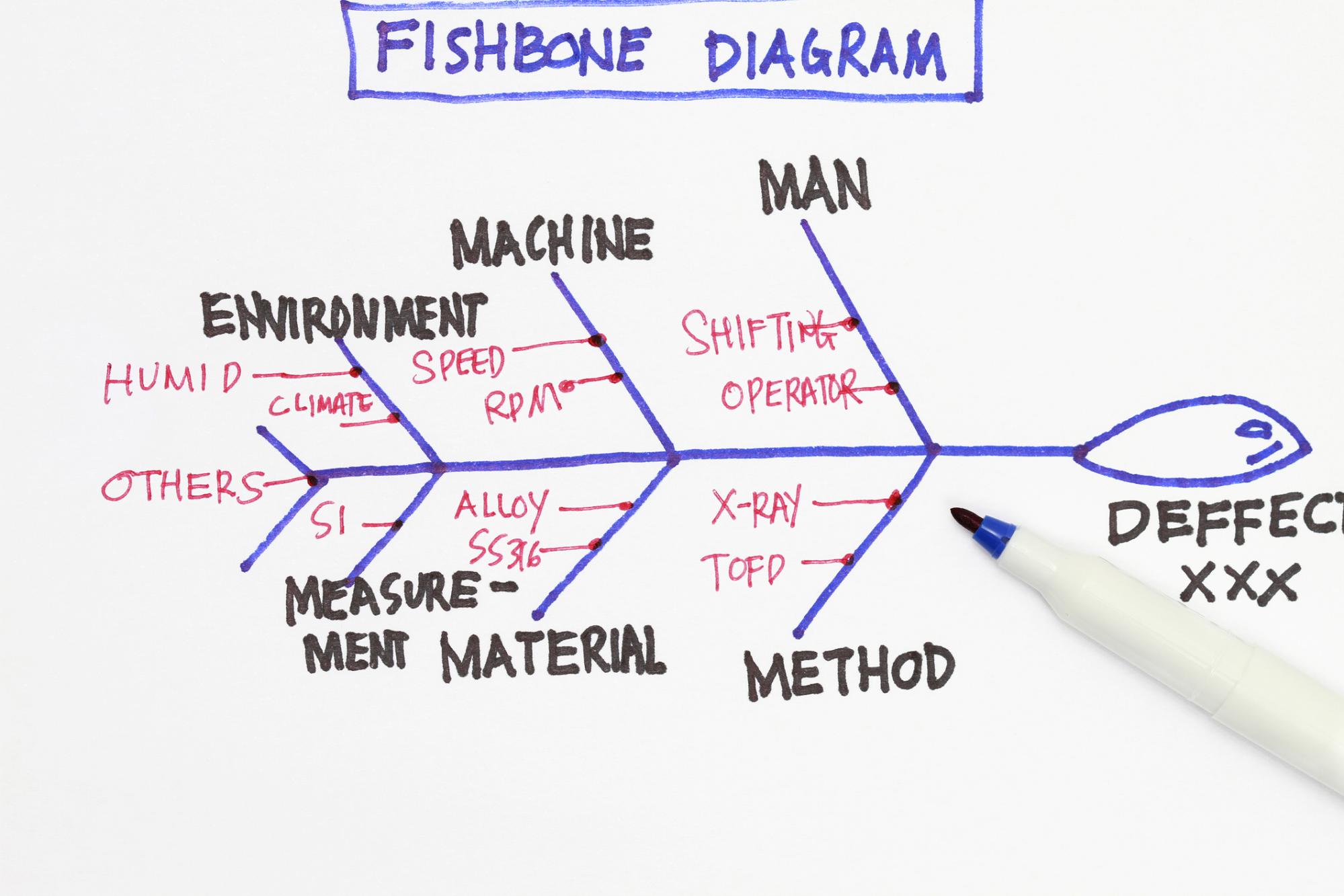
How To Perform a Root Cause Analysis (With Template) | Wrike

Root Cause Analysis Template Download Printable PDF ...
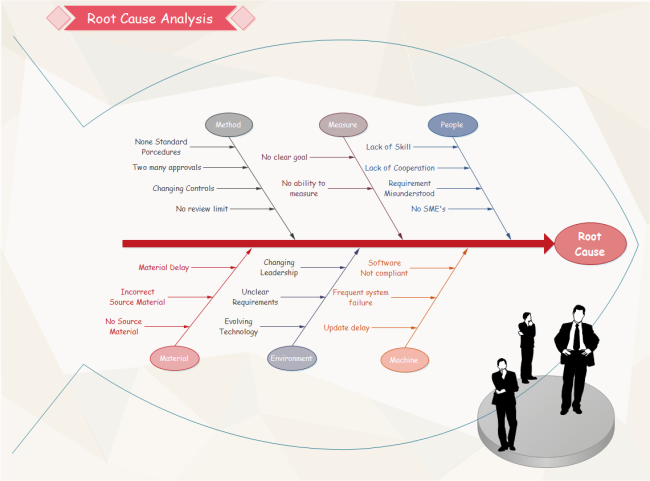
Root Cause Analysis | Free Root Cause Analysis Templates
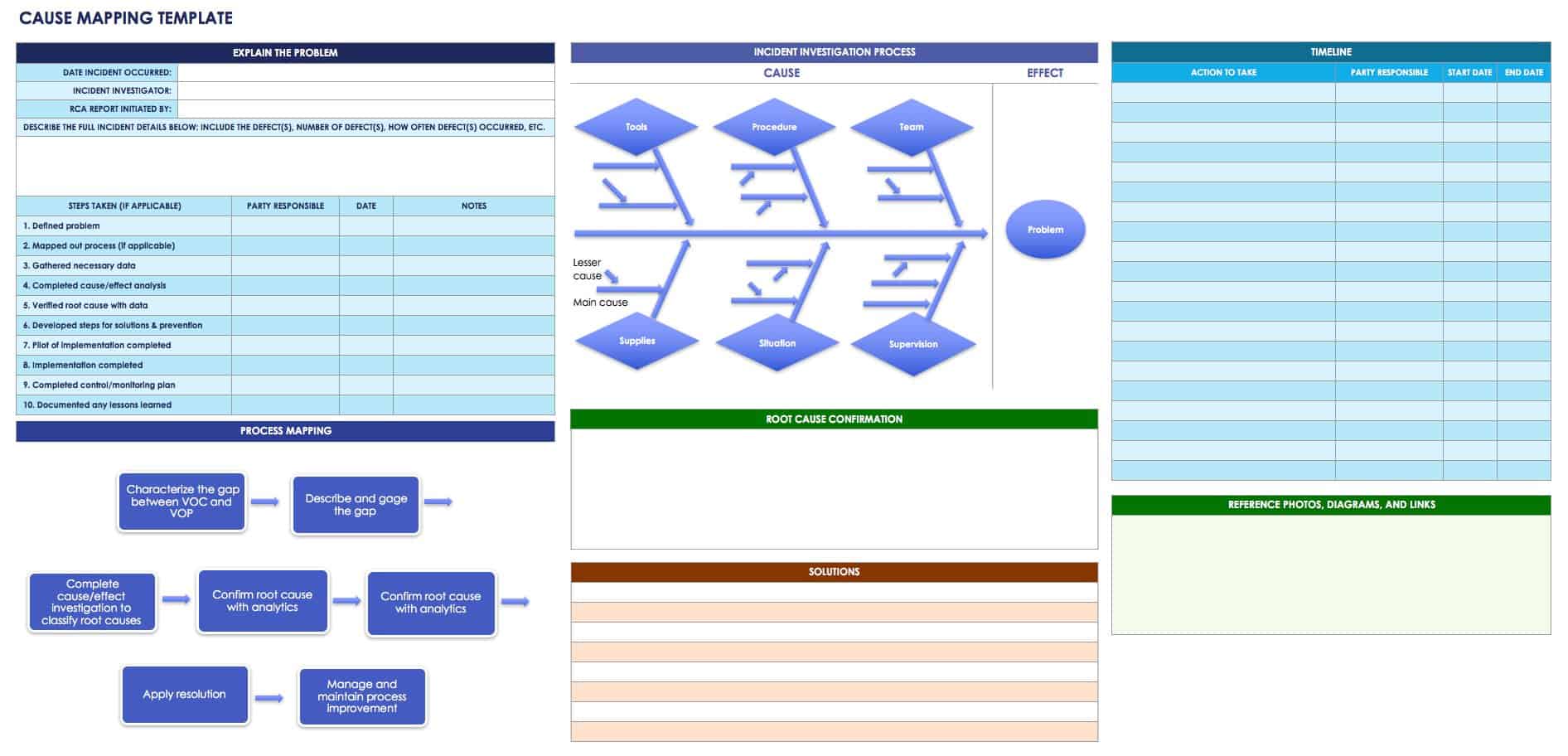
Root Cause Analysis Template Collection | Smartsheet
0 Response to "39 root cause analysis worksheet"
Post a Comment